In today’s hyper-connected world, digital marketing isn’t just an option — it’s essential. Whether you run a startup, a small business, or a global brand, effective digital marketing strategies help you reach the right audience, boost sales, and build long-lasting customer relationships. This comprehensive guide explores the top 10 types of digital marketing strategies proven to drive growth in 2026 and beyond.
Let’s dive into each strategy with clear explanations, real-world examples, and actionable tips you can implement today.
What Is Digital Marketing?
Digital marketing refers to all marketing efforts that use the internet or electronic devices. Instead of relying on traditional channels like TV, radio, or print media, digital marketing engages users through online platforms including search engines, social media, email, websites, apps, and more.
Why Digital Marketing Matters in 2026?
The way consumers buy products and services has drastically changed. People search online before making most purchase decisions, spend hours on mobile apps, and engage with content across multiple platforms. This shift has made digital marketing a core business investment for:
-
Enhancing brand visibility
-
Increasing website traffic
-
Nurturing customer relationships
-
Targeting high-intent audiences
-
Reducing customer acquisition costs
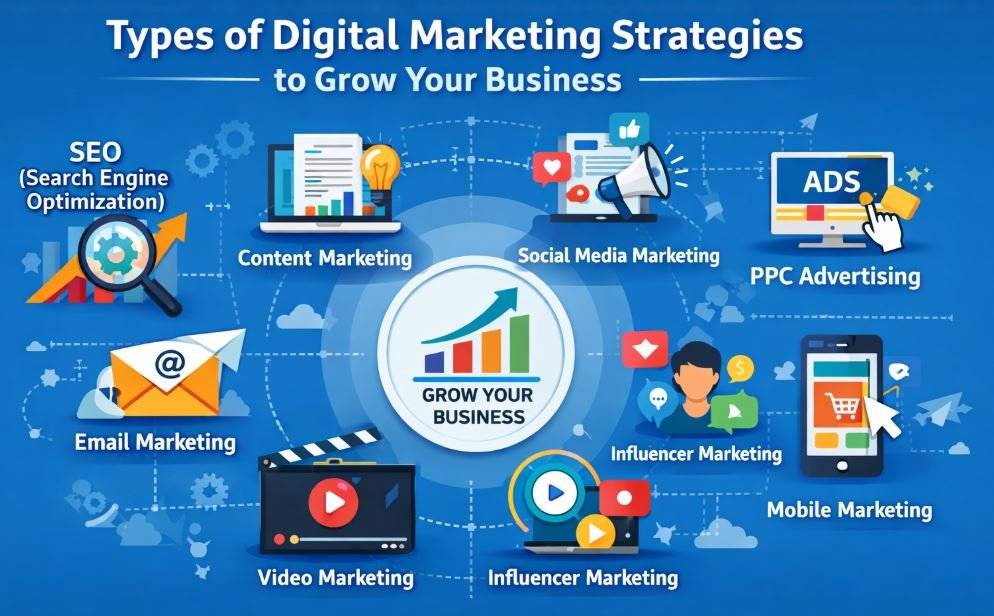
10 Types of Digital Marketing Strategies
Here are the 10 most impactful digital marketing strategies you can apply to grow your business:
1. Search Engine Optimization (SEO)
SEO is the foundation of online visibility. It ensures your website ranks higher in search engine results pages (SERPs), making it easier for users to find you.
Key Elements of SEO
-
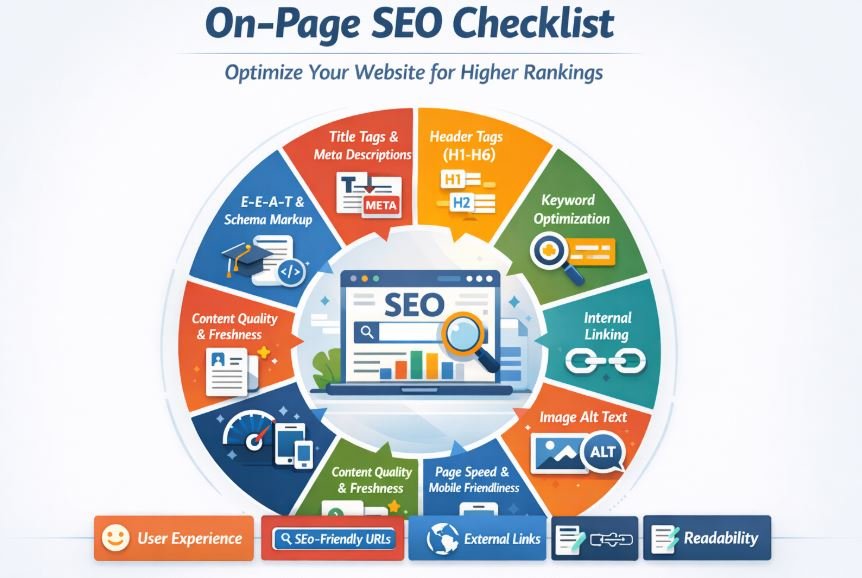
On-Page SEO: Keywords, meta tags, headers, content optimization
-
Off-Page SEO: Backlinks, influencer outreach, guest posting
-
Technical SEO: Site speed, crawlability, mobile friendliness
-
Local SEO: Google Business Profile, local citations
Why It Matters:
When your content ranks on the first page of Google, you attract more organic traffic without paying per click.
SEO Tip: Build a mix of high-intent and long-tail keywords relevant to your niche.
2. Content Marketing
Content marketing involves creating valuable, relevant content to attract and engage your target audience.
Types of Content
-
Blog posts
-
E-books
-
Checklists & infographics
-
Case studies
-
Whitepapers
Benefits:
-
Builds authority in your industry
-
Drives organic traffic
-
Encourages social shares
-
Generates leads over time
Best Practice: Create a content calendar based on keyword research and customer intent.
3. Social Media Marketing
SMM platforms like Facebook, Instagram, LinkedIn, TikTok, and Twitter are powerful for connecting with customers.
Social Media Goals
-
Brand awareness
-
Community engagement
-
Lead generation
-
Customer support
Why It Works:
Social media lets businesses humanize their brand and communicate directly with audiences.
Tip: Use platform analytics to tailor content based on user behavior.
4. Paid Advertising (PPC)
Paid advertising includes ads on search engines and social platforms where you pay each time someone clicks your ad.
Top PPC Channels
-
Google Ads
-
Bing Ads
-
Facebook & Instagram Ads
-
LinkedIn Ads
-
YouTube Ads
Benefits:
-
Fast results
-
Highly targetable
-
Scales quickly
Pro Tip: Combine PPC with SEO to dominate search results and remarket high-value visitors.
5. Email Marketing
Email marketing continues to be one of the most cost-effective digital marketing strategies.
Types of Emails
-
Welcome sequences
-
Newsletters
-
Promotional campaigns
-
Abandoned cart reminders
-
Automated follow-ups
Why Email Works:
-
Direct communication channel
-
Personalized experiences
-
Higher ROI than most channels
Tip: Segment your email list based on behavior and interests to increase conversions.
6. Influencer Marketing
Influencer marketing is partnering with creators who have loyal followers to promote your brand authentically.
Benefits:
-
Increased credibility
-
Higher engagement
-
Access to niche audiences
Best Practice: Choose influencers aligned with your brand values and audience interests.
7. Video Marketing
Video content generates engagement like no other medium. Whether on YouTube, TikTok, or your website, video builds connection and trust.
Types of Video Content
-
Explainers and tutorials
-
Product demos
-
Customer testimonials
-
Live streams
Why Video Matters:
90% of consumers say video helps them make purchase decisions.
Tip: Add subtitles and optimize video titles with keywords.
8. Affiliate Marketing
This strategy lets external partners promote your products and earn commissions for each sale or lead they generate.
Benefits:
-
Low upfront cost
-
Performance-based results
-
Expands reach
Tip: Create attractive commission structures to motivate affiliates.
9. Mobile Marketing
Mobile marketing targets users on smartphones and tablets through:
-
SMS campaigns
-
App notifications
-
Mobile-optimized websites
-
QR codes
Why It’s Crucial:
Over 60% of all web traffic now comes from mobile devices.
Ensure your content and landing pages are responsive and fast-loading.
10. Marketing Automation
Automation uses software to streamline repetitive tasks like email sends, posting schedules, audience segmentation, and reporting.
Benefits:
-
Saves time
-
Improves efficiency
-
Enhances user experience
Tools to Explore: CRM platforms, email automation tools, chatbot workflows.
Choosing the Right Digital Marketing Strategy for Your Business
Every business is different. To choose the best strategies:
-
Define business goals
-
Understand your audience
-
Analyze competitors
-
Set a realistic budget
-
Measure and iterate continuously
Measuring Digital Marketing Success
Track these key performance indicators (KPIs):
-
Website traffic growth
-
Lead generation rate
-
Conversion rate
-
Return on ad spend (ROAS)
-
Social engagement rate
-
Email open and click-through rates
Using analytics tools like Google Analytics, social media insights, and email dashboards helps optimize campaigns faster.
Digital Marketing Trends to Watch in 2026
Here’s what’s shaping the future:
-
AI-driven personalization
-
Voice search optimization
-
Interactive content
-
Short-form video dominance
-
Privacy-first tracking
-
Chatbots for real-time engagement
Staying updated with trends ensures your strategy remains competitive.
Read also more related topics: On-page SEO VS Off-page SEO
FAQs About Digital Marketing Strategies
What digital marketing strategy works best for small businesses?
Combining SEO, social media, and email marketing offers high impact with low budget requirements.
How long does it take to see results from digital marketing?
Paid campaigns may show results immediately, while SEO and content marketing typically take 3–6 months.
What is the most cost-effective strategy?
Email marketing and SEO provide long-term ROI without high upfront costs.
Conclusion
Digital marketing is no longer optional — it’s a business imperative. By implementing these 10 types of digital marketing strategies, you can expand your reach, deepen customer relationships, and accelerate growth.
Focus on your audience, measure outcomes, and continuously optimize your approach. The right strategy can elevate your business in today’s competitive digital landscape