Many websites publish great content, but still fail to rank on Google.
The reason is often technical SEO problems. Search engines must crawl, understand, and index your website before showing it in search results. If your website has technical issues, search engines may struggle to read your pages.
This is where technical SEO becomes important.
Your business needs SEO, and the Technical SEO focuses on improving the technical structure of a website so search engines can easily access and understand it.
By the end, you will clearly understand why technical SEO is important for ranking websites on Google.
What Is Technical SEO in Simple Words?
In simple words, technical SEO improves how search engines access and understand your website.
Think of your website like a house.
-
Content is the furniture.
-
Design is the decoration.
-
Technical SEO is the foundation.
If the foundation is weak, the entire house becomes unstable.
Similarly, if a website has technical problems, even great content may not rank well.
Technical SEO includes improvements like:
-
Faster website speed
-
Mobile-friendly design
-
Secure connection (HTTPS)
-
Clean website structure
-
Proper indexing by search engines
These improvements help search engines crawl and rank your website more effectively.
What Is Technical SEO and Why Is It Important?
Technical SEO focuses on optimizing the backend structure of a website.
It helps search engines:
-
Discover your pages
-
Understand your content
-
Index your pages properly
-
Deliver better search results to users
Without technical SEO, search engines may not even find your website.
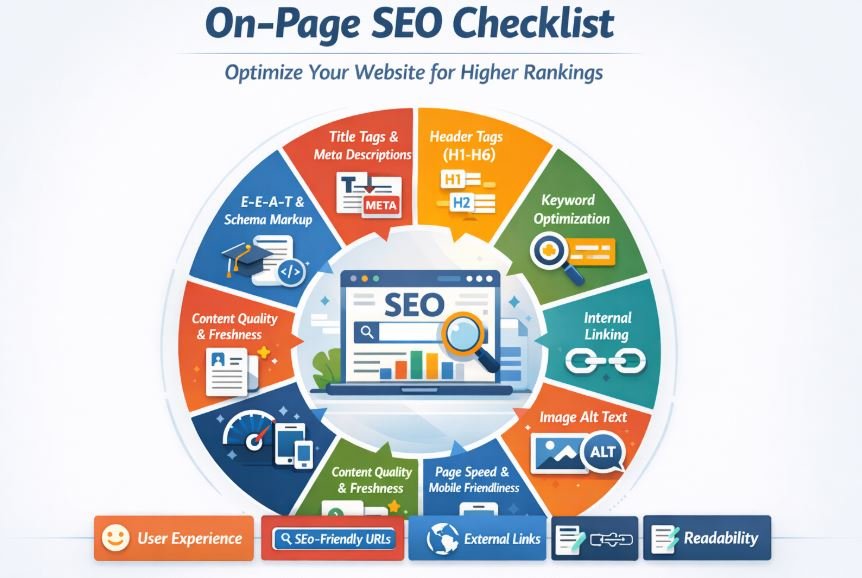
Difference Between Technical SEO, On-Page SEO, and Off-Page SEO
You’ll get here on what’s the Difference Between Technical SEO, On-Page SEO, and Off-Page SEO. SEO has three main parts.
| SEO Type | Focus | Example |
|---|---|---|
| Technical SEO | Website structure | Site speed, XML sitemap |
| On-Page SEO | Page content | Keywords, headings |
| Off-Page SEO | External authority | Backlinks |
All three work together.
But technical SEO builds the foundation for the other two.
If the technical structure is broken, your content and backlinks will not perform well.
How Technical SEO Supports Your Entire SEO Strategy?
The SEO ensures your website is search-engine friendly.
It supports your SEO strategy by:
-
Making pages easier to crawl
-
Improving loading speed
-
Enhancing user experience
-
Helping content rank faster
When technical SEO is strong, your on-page SEO and backlinks become more effective.
Why Technical SEO Is Important for Website Success
Now let’s explore the key reasons why technical SEO matters.
1. Helps Search Engines Crawl Your Website
Search engines use bots called crawlers.
These bots visit websites and collect information.
If your website structure is messy or blocked, crawlers may not access all pages.
It ensures:
-
Search bots can reach every important page
-
Your website structure is easy to navigate
2. Improves Website Indexing
After crawling, search engines store pages in their index.
If pages are not indexed, they will not appear in search results.
The SEO helps ensure:
-
Pages are indexable
-
Duplicate pages are controlled
-
Important pages are prioritized
3. Boosts Website Speed
Page speed is a major ranking factor.
Users leave slow websites quickly.
Technical SEO improves speed by:
-
Compressing images
-
Using browser caching
-
Reducing unnecessary code
Fast websites provide better user experience and better rankings.
4. Improves Mobile Experience
Most searches today come from mobile devices.
Google uses mobile-first indexing.
This means Google mainly evaluates the mobile version of your site.
Technical SEO ensures:
-
Responsive design
-
Mobile-friendly layout
-
Fast mobile loading
5. Enhances User Experience
Technical improvements make websites easier to use.
For example:
-
Faster pages
-
Clear navigation
-
Secure browsing
When users enjoy your website, they stay longer.
This sends positive signals to search engines.
6. Increases Search Rankings
Technical SEO directly and indirectly affects rankings.
A technically optimized site:
-
Loads faster
-
Has fewer errors
-
Provides better experience
These factors help Google rank your pages higher.
7. Prevents Technical Errors
Technical problems can damage SEO performance.
Common issues include:
-
Broken links
-
Duplicate pages
-
Redirect loops
-
Crawl errors
Technical SEO audits help detect and fix these problems.
Key Elements of Technical SEO
Here are the most important the SEO components.
1. Website Speed Optimization
Speed is crucial for both users and search engines.
Ways to improve speed:
-
Compress images
-
Use a CDN
-
Enable browser caching
-
Minimize CSS and JavaScript
2. Mobile Optimization
Your website must work perfectly on mobile devices.
Best practices:
-
Responsive design
-
Readable fonts
-
Fast loading pages
3. Secure Website (HTTPS)
Security is essential.
HTTPS protects user data and builds trust.
Google also considers HTTPS a ranking signal.
4. XML Sitemap
An XML sitemap helps search engines find all important pages.
It acts like a map of your website.
5. Robots.txt File
This file tells search engines which pages they can or cannot crawl.
It helps control crawler access.
6. Structured Data (Schema Markup)
Structured data helps search engines understand content better.
It can also create rich search results, such as:
-
Star ratings
-
FAQs
-
Product information
7. Canonical Tags
Canonical tags help prevent duplicate content issues.
They tell search engines which version of a page is the main one.
8. URL Structure Optimization
Good URLs should be:
-
Short
-
Clear
-
Keyword-friendly
Example:
Good:
example.com/technical-seo-guide
Bad:
example.com/page?id=24578
9. Fixing Broken Links
Broken links harm user experience.
They also waste crawl budget.
Regularly check and fix them.
10. Crawl Budget Optimization
Large websites must manage crawl budget.
This ensures search engines focus on important pages first.
Read also more related topics: Old SEO VS New SEO
Common Technical SEO Problems That Hurt Rankings
Many websites struggle with technical issues.
Common problems include:
-
Slow website speed
-
Poor mobile design
-
Duplicate content
-
Missing XML sitemap
-
Incorrect redirects
-
Crawl errors
Regular SEO audits can help detect these issues early.
Important part that you need to know: Why Are Internal Links Important for SEO?
Simple Technical SEO Checklist for Beginners
Here is a quick checklist you can follow.
✔ Improve website speed
✔ Use HTTPS security
✔ Create an XML sitemap
✔ Submit site to Google Search Console
✔ Fix broken links
✔ Optimize images
✔ Make the website mobile-friendly
✔ Improve internal linking
✔ Remove duplicate pages
This checklist helps maintain a healthy technical SEO foundation.
Best Tools for Technical SEO
Several tools make the SEO easier.
Popular options include:
-
Google Search Console
-
Google PageSpeed Insights
-
Screaming Frog SEO Spider
-
Ahrefs Site Audit
-
SEMrush Site Audit
These tools help identify technical issues and improve performance.
Technical SEO Best Practices in 2026
SEO keeps evolving. Modern technical SEO focuses on:
-
Core Web Vitals optimization
-
AI-friendly site structure
-
JavaScript SEO improvements
-
Mobile-first indexing
-
Structured data implementation
Following these practices ensures your website stays competitive.
FAQs
What is technical SEO in simple words?
It means improving the technical parts of a website so search engines can easily crawl, understand, and index its pages.
What is technical SEO and why is it important?
It improves the backend structure of a website. It is important because it helps search engines access your pages, improves site speed, and increases search rankings.
Is technical SEO difficult?
It can seem complex at first. However, many basic improvements like fixing broken links and improving speed are easy to implement.
How long does the SEO take to work?
Some improvements show results quickly. Others may take several weeks as search engines recrawl and reindex your website.
Can a website rank without technical SEO?
A website may rank temporarily. But without the SEO, it will struggle to compete with well-optimized sites.
Conclusion
It is the foundation of every successful website.
Without it, search engines may struggle to crawl, index, and rank your pages.
By improving your website’s technical structure, you can:
-
Increase visibility
-
Improve user experience
-
Achieve higher rankings
If you want long-term SEO success, The SEO should always be a priority.