Today, most people search online before buying a product or choosing a service. They use search engines like Google to find answers, compare brands, and make decisions.
If your business does not appear in search results, potential customers may never find you.
This is why Search Engine Optimization (SEO) is so important. SEO helps your website appear in search results when people look for products or services related to your business.
Instead of relying only on paid ads or social media posts, SEO helps you attract organic traffic—visitors who find your website naturally through search engines.
Many business owners still ask questions such as:
-
Why does my business need SEO?
-
Is SEO necessary for success?
-
How does SEO improve website visibility in digital marketing?
The simple answer is this: SEO helps your business get found online.
In this guide, you will learn:
-
Why your business needs SEO
-
How SEO improves website visibility
-
How SEO supports long-term business growth
What is SEO and How Does it Work?
Understanding Search Engine Optimization
SEO stands for Search Engine Optimization that are important in SEO. It is the process of improving your website so it ranks higher in search engine results.
When your website ranks higher on Google, more people can find your business.
SEO focuses on improving things such as:
-
Website content
-
Keywords
-
Page structure
-
Website speed
-
Links from other websites
Unlike paid advertising, SEO focuses on organic search traffic, which means visitors find your website naturally.
This makes SEO one of the most valuable long-term marketing strategies.
How Search Engines Rank Websites?
Search engines use complex systems to decide which websites appear in search results. The process usually involves three main steps.
Crawling
Search engines send automated bots (called crawlers) to explore websites and discover new pages.
Indexing
After a page is found, search engines analyze it and store the information in their database.
Ranking
When someone searches for something, the search engine shows the most relevant pages first.
Websites that follow SEO best practices have a better chance of ranking higher.
Key Components of SEO
SEO includes several important parts that work together.
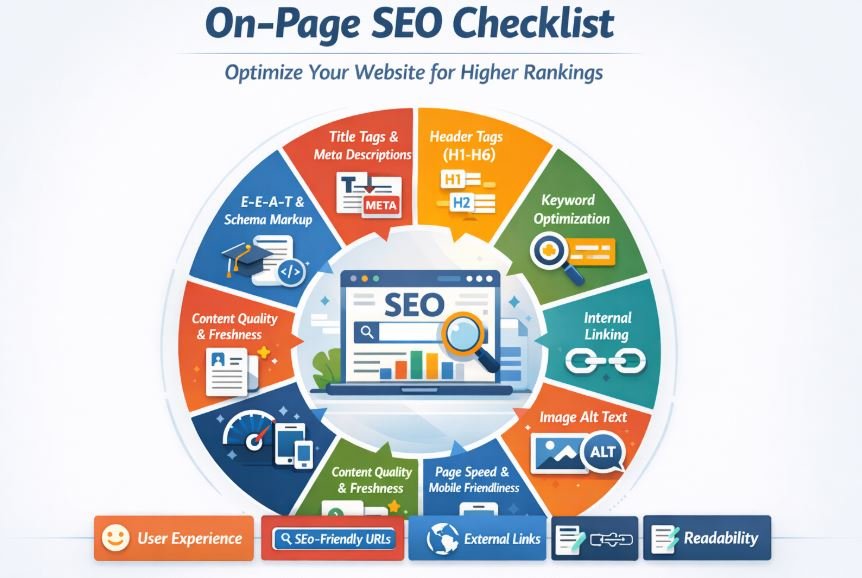
On-Page SEO
On-page SEO focuses on improving the content and structure of individual pages.
Examples include:
-
Using the right keywords
-
Writing clear headings
-
Optimizing meta descriptions
-
Adding internal links
Technical SEO
Technical SEO ensures that your website works properly for search engines and users.
Important elements include:
-
Fast loading speed
-
Mobile-friendly design
-
Secure HTTPS connection
-
Clear site structure
Off-Page SEO
Off-page SEO focuses on building your website’s reputation. The main method is getting backlinks from trusted websites.
Local SEO
Local SEO helps businesses appear in location-based searches such as:
-
“Restaurant near me”
-
“Best dentist in my city”
This is especially important for local businesses.
Why Your Business Needs SEO?
SEO Increases Website Visibility
One of the main reasons why your business needs SEO is visibility.
Millions of websites exist online. Without SEO, your website may appear far down in search results where few people look.
SEO helps your website appear when users search for relevant topics.
For example, if someone searches for a service you provide and your website appears on the first page of Google, they are more likely to visit your site.
SEO Brings High-Quality Traffic
Not all website traffic is valuable. Businesses need visitors who are interested in their products or services.
SEO helps attract targeted traffic by focusing on the keywords people use when searching.
For example:
-
Someone searching “best laptop for students” is researching options.
-
Someone searching “buy laptop online” may be ready to purchase.
By targeting the right keywords, SEO brings visitors who are more likely to become customers.
SEO Builds Trust and Credibility
People tend to trust websites that appear at the top of search results.
When your website ranks well, users see your brand as more reliable and professional.
SEO helps build trust through:
-
High-quality content
-
Positive user experience
-
Backlinks from trusted websites
-
Consistent search visibility
Over time, this strengthens your brand reputation.
SEO Improves User Experience
Search engines prefer websites that offer a good user experience.
SEO improvements often include:
-
Faster page loading
-
Mobile-friendly design
-
Easy navigation
-
Clear website structure
These improvements make your website easier to use. As a result, visitors stay longer and explore more pages.
SEO Delivers Long-Term Results
Paid ads can generate traffic quickly, but the traffic stops when you stop paying.
SEO works differently.
Although SEO takes time, the results can last for a long time. Once your pages rank well, they can continue bringing visitors without ongoing advertising costs.
This makes SEO a cost-effective marketing strategy.
SEO Helps You Compete Online
If your competitors use SEO and you do not, they will likely attract customers who could have chosen your business.
SEO helps you stay competitive by making your business visible in search results.
Even small businesses can compete by targeting niche keywords and local searches.
How SEO Improves Website Visibility in Digital Marketing
Many business owners wonder how SEO improves website visibility in digital marketing.
SEO increases visibility in several ways.
Keyword Optimization
SEO helps businesses target keywords that people search for online.
When your content includes these keywords, search engines are more likely to show your website.
High-Quality Content
Useful and informative content helps answer users’ questions. Search engines reward helpful content with higher rankings.
Backlinks
Backlinks from other websites act as recommendations. The more quality backlinks you have, the more trustworthy your website appears.
Technical Improvements
SEO also improves technical elements like:
-
Website speed
-
Mobile performance
-
Site structure
These improvements help search engines understand and rank your website.
Is SEO Necessary for Small Businesses?
Yes, SEO is especially valuable for small businesses.
Small businesses often have limited marketing budgets. SEO allows them to compete online without spending large amounts on ads.
Local SEO for Business Growth
Local SEO helps businesses appear in local search results.
Examples include:
-
“Coffee shop near me”
-
“Best plumber in Dhaka”
By optimizing for local searches, businesses can attract customers in their area.
Cost-Effective Marketing
SEO provides long-term results without constant advertising expenses.
Once your website ranks well, it can continue attracting visitors naturally.
Key Benefits of SEO for Business Growth
SEO offers many advantages for businesses.
Higher Website Traffic
Better rankings lead to more visitors.
More Leads and Sales
Targeted traffic increases the chances of converting visitors into customers.
Better Customer Insights
SEO tools help businesses understand:
-
What customers search for
-
Which pages they visit
-
What content they prefer
Stronger Online Presence
SEO helps your brand appear consistently in search results.
Higher Conversion Rates
Visitors who find your website through search engines are often already interested in your services.
Why Your Business Needs Professional SEO Services
While some SEO tasks can be done independently, professional SEO services can improve results.
SEO experts help with:
-
Keyword research
-
Content strategy
-
Technical optimization
-
Link building
-
Performance tracking
Hiring professionals saves time and ensures your SEO strategy follows the latest best practices.
Common SEO Mistakes Businesses Should Avoid
Some mistakes can hurt your SEO performance.
Avoid these common issues:
-
Ignoring keyword research
-
Publishing low-quality content
-
Slow website loading speed
-
Poor mobile experience
-
Not using local SEO
Fixing these issues can significantly improve rankings.
How to Get Started with SEO?
Businesses can begin with a simple SEO plan.
Step 1: Research Keywords
Find the keywords your target audience searches for.
Step 2: Optimize Website Pages
Improve titles, headings, and content.
Step 3: Create Helpful Content
Publish articles and guides that answer customer questions.
Step 4: Build Backlinks
Earn links from trusted websites.
Step 5: Improve Technical SEO
Ensure your website loads quickly and works well on mobile devices.
Step 6: Track Performance
Use analytics tools to measure traffic and rankings.
The Future of SEO
SEO continues to evolve.
Important trends include:
-
AI-powered search results
-
Voice search
-
Mobile-first indexing
-
High-quality authoritative content
Businesses that stay updated with these trends will gain a competitive advantage.
Conclusion
SEO has become a key part of modern digital marketing. It helps businesses increase visibility, attract targeted traffic, and build trust with customers.
Understanding why your business needs SEO is the first step toward improving your online presence.
Whether you run a small company or a large organization, SEO helps connect your business with people who are already searching for your products or services.
By investing in SEO strategies or professional SEO services, businesses can achieve sustainable growth and long-term success online.