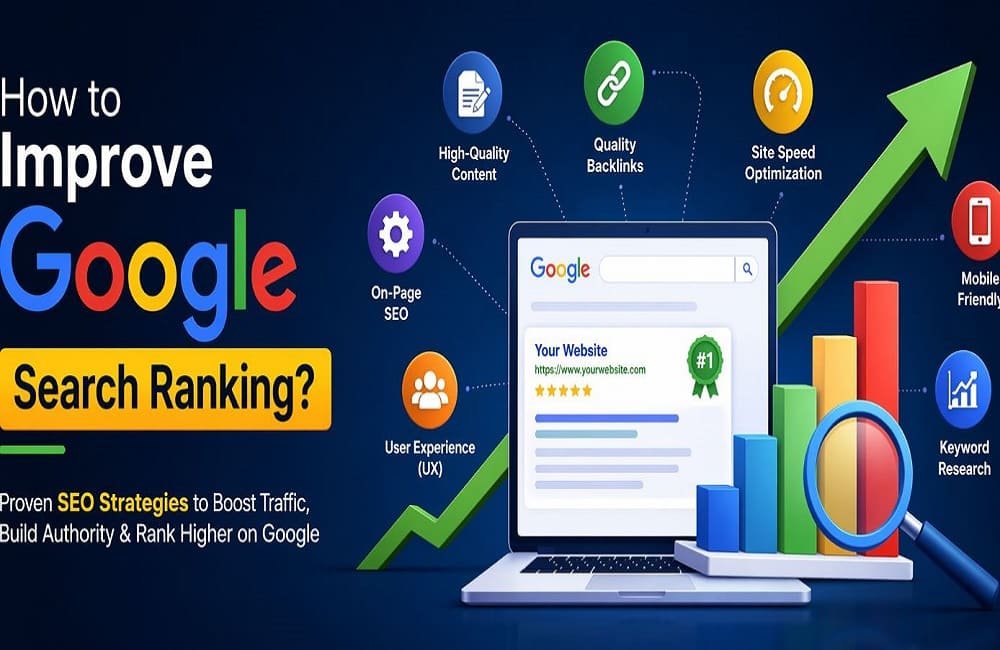
In today’s digital landscape, ranking on Google is no longer optional—it is essential. You’ll get here on How to Improve Google Search Ranking? Whether you run a blog, an eCommerce store, or a business website, your visibility on search engines directly influences your success.
If you want to rank your website on Google, you must understand how modern search algorithms work. Google now prioritizes user intent, high-quality content, and real value over outdated tactics like keyword stuffing.
This comprehensive guide will walk you through how to improve Google search ranking, using proven strategies that drive organic traffic, boost authority, and increase conversions.
Understanding Google Ranking Basics
What is Google Search Ranking?
Google search ranking refers to the position of your website in search engine results pages (SERPs). The higher your ranking, the more visible your website becomes to potential visitors.
There are two primary types of results:
- Organic results (earned through SEO)
- Paid results (advertisements)
This guide focuses on improving your organic ranking, which delivers long-term, sustainable traffic.
How Google’s Algorithm Works
Google uses advanced algorithms to determine which pages deserve top positions. These algorithms evaluate:
- Content relevance
- Website authority
- User experience
- Technical performance
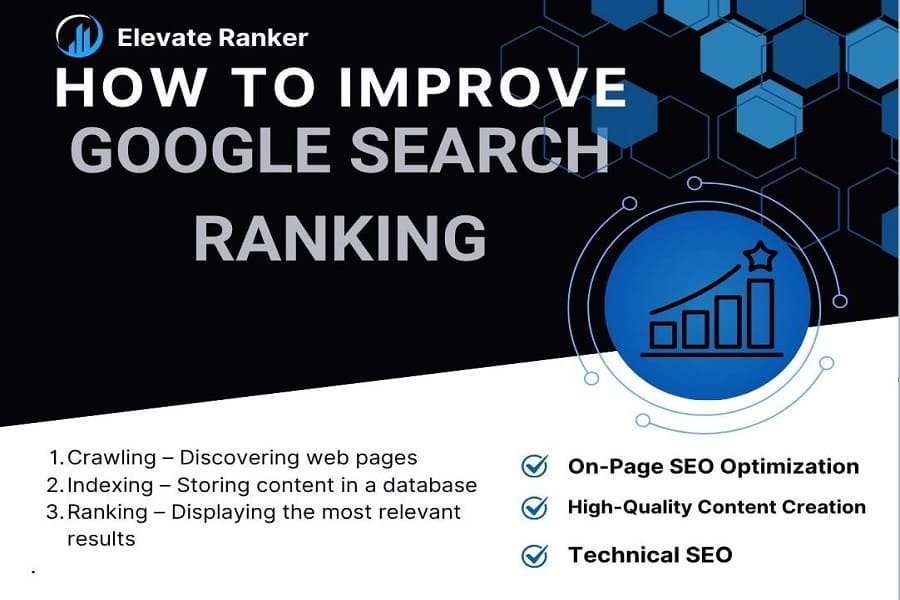
The process includes:
- Crawling – Discovering web pages
- Indexing – Storing content in a database
- Ranking – Displaying the most relevant results
Understanding this process is the first step toward improving your rankings.
Keyword Research: The Foundation of Ranking
How to Find High-Value Keywords
Keyword research is the backbone of SEO. Without targeting the right keywords, even the best content may fail to rank.
Focus on:
- Long-tail keywords with lower competition
- High search intent phrases
- Relevant industry-specific terms
Examples include:
- how to increase your google search ranking
- how to improve google page rank
- want to rank your website on google
Using Keywords Strategically
To maximize impact:
- Place your primary keyword in the title, introduction, and headings
- Use variations naturally throughout the content
- Avoid overuse to maintain readability
Smart keyword placement ensures your content remains both SEO-friendly and user-focused.
On-Page SEO Optimization (Core Ranking Factor)
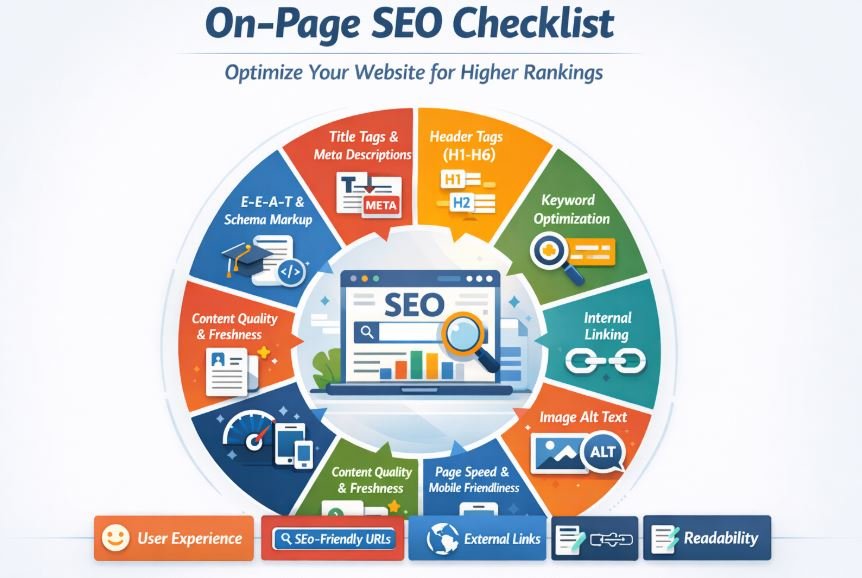
Optimize Title Tags and Meta Descriptions
Your title is the first impression users see. Make it:
- Clear
- Engaging
- Keyword-rich
Meta descriptions should encourage clicks while summarizing the content effectively.
Proper Use of Headings (H1–H6)
A well-structured article improves both readability and SEO. Use:
- H1 for the main title
- H2 for sections
- H3 for subtopics
This helps search engines understand your content hierarchy.
URL Structure Optimization
Keep URLs:
- Short
- Descriptive
- Keyword-focused
Example:
✅ /improve-google-ranking
❌ /page123?id=seo
Internal Linking Strategy
- Improve navigation
- Distribute page authority
- Help search engines crawl your site
Link related articles to strengthen your SEO structure.
Image SEO Optimization
Optimize images by:
- Using descriptive file names
- Adding alt text
- Compressing file sizes
This improves both accessibility and page speed.
High-Quality Content Creation
Create Helpful, User-Focused Content
Google rewards content that solves real problems. Focus on:
- Answering user queries clearly
- Providing actionable insights
- Delivering genuine value
Content Length & Depth
Long-form content tends to rank higher because it:
- Covers topics comprehensively
- Increases dwell time
- Builds authority
However, quality always matters more than quantity.
Content Freshness & Updates
Regular updates signal relevance to Google search. Refresh your content by:
- Adding new data
- Updating outdated sections
- Improving clarity
Technical SEO: Improve Website Performance
Website Speed Optimization
A slow website can hurt your rankings. Improve speed by:
- Compressing images
- Using caching
- Minimizing code
Mobile-Friendliness
Most users browse on mobile devices. Ensure your site:
- Is responsive
- Loads quickly
- Offers smooth navigation
Secure Website (HTTPS)
Security is a ranking factor. Use HTTPS to:
- Protect user data
- Build trust
- Improve SEO
XML Sitemap & Robots.txt
These tools help search engines:
- Crawl your site efficiently
- Understand which pages to index
Backlinks: Building Authority
What Are Backlinks?
Backlinks are links from other websites to yours. They act as votes of confidence, signaling trust and authority.
How to Build Quality Backlinks
Effective strategies include:
- Guest posting
- Outreach campaigns
- Creating shareable content
Focus on quality rather than quantity.
Avoiding Spammy Links
Low-quality links can harm your rankings. Avoid:
- Link farms
- Paid spam links
- Irrelevant backlinks
User Experience (UX) & Engagement Signals
Bounce Rate & Dwell Time
If users leave quickly, Google assumes your content lacks value. Improve engagement by:
- Writing compelling introductions
- Structuring content clearly
Easy Navigation & Design
A clean layout enhances usability. Ensure:
- Simple menus
- Clear calls-to-action
- Logical page flow
Core Web Vitals Impact
Focus on:
- Loading speed
- Interactivity
- Visual stability
These metrics directly influence rankings.
Local SEO (Optional but Powerful)
If you run a local business:
- Optimize your Google Business profile
- Use location-based keywords
- Encourage customer reviews
This helps you rank in local search results.
Advanced SEO Strategies for Higher Rankings
Voice Search Optimization
Use conversational keywords to match voice queries.
Featured Snippets
Structure content to answer questions clearly and concisely.
AI & Semantic SEO
Focus on:
- Contextual relevance
- Topic clusters
- Intent-driven content
E-E-A-T Principles
Google values:
- Experience
- Expertise
- Authority
- Trust
Build credibility through high-quality content and reliable sources.
Common SEO Mistakes to Avoid
Avoid these pitfalls:
- Keyword stuffing
- Duplicate content
- Ignoring mobile optimization
- Poor-quality backlinks
These mistakes can significantly lower your rankings.
Tools to Improve Google Search Ranking
Use tools for:
- Keyword research
- Site audits
- Rank tracking
Popular options include both free and premium SEO tools.
Step-by-Step Checklist to Improve Google Ranking
- Conduct keyword research
- Optimize on-page SEO
- Create high-quality content
- Improve technical SEO
- Build backlinks
- Monitor performance
Following this checklist consistently will produce measurable results.
Conclusion
Improving your Google ranking is not a one-time task—it requires continuous effort, strategy, and adaptation.
By applying the techniques in this guide, you can effectively:
- Increase your visibility
- Drive more organic traffic
- Build long-term authority
If you’re serious about learning how to increase your Google search ranking, start implementing these strategies today.
FAQs
How long does it take to improve Google ranking?
It typically takes 3 to 6 months, depending on competition and strategy.
What is the fastest way to rank on Google?
Focus on:
- Low-competition keywords
- High-quality content
- Strong on-page SEO
How to improve Google page rank quickly?
Improve content quality, optimize technical SEO, and build authoritative backlinks.
Can I rank without backlinks?
Yes, but backlinks significantly accelerate ranking growth and authority.