SEO has changed a lot. Years ago, websites could rank by repeating the same keyword many times. That method no longer works well. Someone wants to know what is Semantic SEO and Why Does It Matter. Today, search engines are smarter. They try to understand meaning, context, and user intent. This is where semantic SEO matters.
If you want better rankings, steady traffic, and long-term growth, semantic SEO is important.
So, what is semantic SEO and why does it matter? It is the process of optimizing content around topics, related terms, and search intent instead of using one keyword again and again.
Let’s explore it in simple terms.
What Is Semantic SEO?
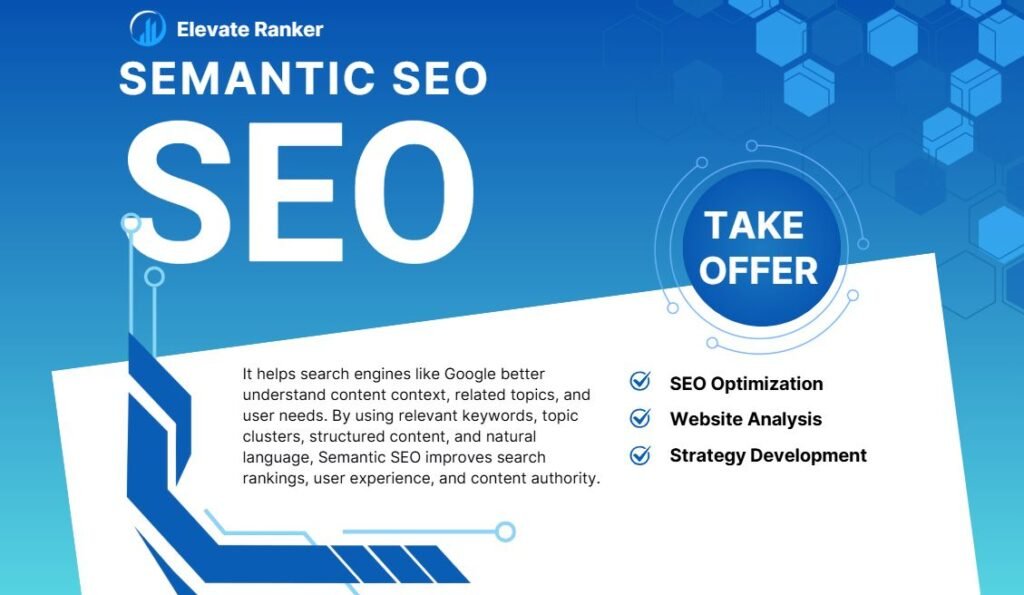
Semantic SEO means creating content that helps search engines understand the true meaning of your page.
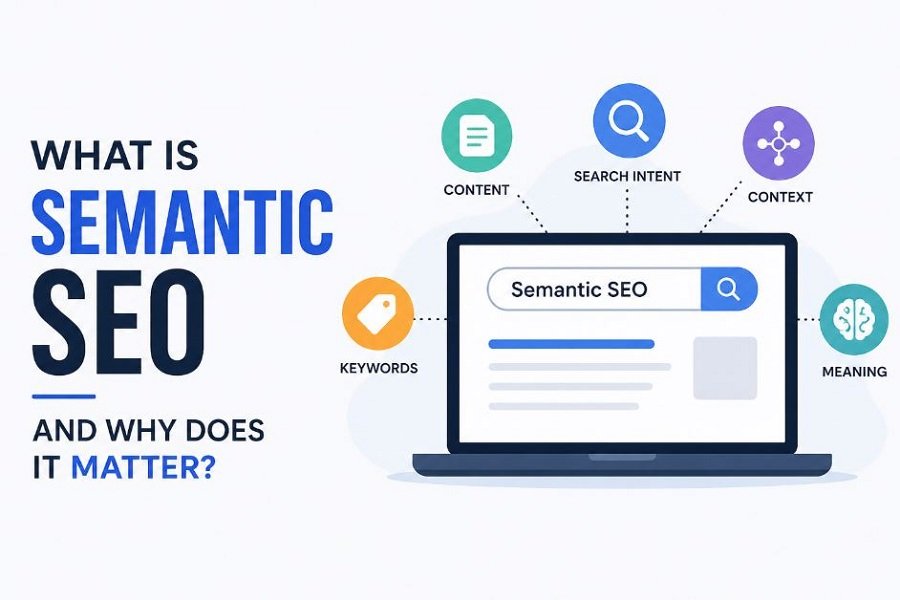
Instead of focusing on one keyword, semantic SEO uses:
- Related keywords
- Synonyms
- Common questions
- User intent
- Topic depth
- Relevant entities
This helps Google understand your content better.
For example, if your topic is coffee brewing, related terms may include:
- French press
- Espresso
- Coffee beans
- Grind size
- Water temperature
- Pour-over
These terms show that your content covers the topic fully.
Traditional SEO vs Semantic SEO
Older SEO focused on exact keywords. Semantic SEO focuses on meaning and relevance.
| Traditional SEO | Semantic SEO |
|---|---|
| Exact keywords | Topic meaning |
| Keyword density | Search intent |
| One keyword focus | Full topic coverage |
| Short-term tricks | Long-term growth |
It creates better results for users and search engines.
What Is Semantic SEO in Google?
Semantic search in SEO means search engines try to understand what a user really wants.
They do not only match words. They also study:
- Intent
- Context
- Search history
- Related topics
- Language patterns
For example, if someone searches:
best phone for photography
Google knows the user wants phones with strong cameras.
This is semantic search.
How Google Uses Semantic Search
Google uses smart systems to understand searches.
Rank Brain
Helps Google understand new or unclear searches.
Natural Language Processing (NLP)
Helps Google understand sentence meaning.
Knowledge Graph
Connects people, brands, places, and ideas.
Helpful Content Systems
Rewards content that gives useful answers.
Why Does Semantic SEO Matter?
The SEO matters because search engines now reward relevance.
1. Better Rankings
One page can rank for many related keywords.
2. Better User Experience
Visitors get full answers in one place.
3. More Organic Traffic
Better relevance can bring more search traffic.
4. Stronger Authority
Helpful content builds trust in your niche.
5. Better Featured Snippets
Clear answers may appear at the top of Google search.
6. Long-Term Results
Semantic SEO follows modern ranking trends.
How Semantic SEO Works?
Semantic SEO improves context and content quality.
Search Intent
Understand why users search.
They may want to:
- Learn something
- Buy something
- Compare options
- Solve a problem
Topic Coverage
Cover the main topic and related subtopics.
Internal Linking
Internal Link will be related pages together.
Structured Data
Schema markup helps search engines understand content.
Natural Language
Write in a clear and helpful way.
What Is a Semantic Search Strategy?
A semantic strategy means planning content around topics instead of single keywords.
It often includes:
- Keyword clusters
- Search intent research
- Pillar pages
- Supporting articles
- Internal links
- Content updates
- Schema markup
This builds a strong website structure.
Example of a Semantic SEO Strategy
If your website is about fitness:
Main Page: Complete Weight Loss Guide
Supporting Pages
- Best cardio workouts
- Healthy meal plans
- Strength training tips
- Sleep and fat loss
- Beginner gym plans
Link these pages together.
This shows Google your site has real expertise.
Semantic SEO Checklist
Use this semantic SEO checklist before publishing.
Content Planning
- Choose a clear topic
- Research user intent
- Find related keywords
- Collect common questions
Writing Stage
- Use keywords naturally
- Add related terms
- Cover subtopics
- Use headings
- Add examples
Technical SEO
- Add internal links
- Use schema markup
- Optimize images
- Improve page speed
- Check mobile design
Final Review
- Fix grammar errors
- Improve readability
- Remove repeated ideas
- Update old facts
Best Practices for Semantic SEO
Focus on Intent
Know what the reader wants.
Write Complete Content
Answer the topic fully.
Use Simple Language
Clear writing performs better.
Build Topic Clusters
Create many connected pages.
Add FAQs
FAQ sections answer extra questions.
Update Old Content
Fresh content stays competitive.
Common Semantic Search Mistakes to Avoid
Keyword Stuffing
Too many keywords hurt readability.
Thin Content
Short pages with little value often fail.
Ignoring Related Terms
Missing context can weaken rankings.
Poor Internal Linking
Disconnected pages confuse search engines.
Ignoring Intent
Wrong content leads to high bounce rates.
Best Tools for Semantic SEO
Useful tools include:
- Google Search Console
- Google Trends
- Ahrefs
- SEMrush
- Surfer SEO
- AnswerThePublic
These tools help with research and optimization.
How to Start the SEO Today
Follow these simple steps:
- Audit old content
- Improve weak pages
- Add missing subtopics
- Use better headings
- Add internal links
- Update facts and examples
- Track results
Small updates can bring strong gains.
Semantic SEO for Bloggers and Businesses
For Bloggers
- More keyword rankings
- More traffic
- Better authority
Businesses
- Better leads
- More visibility
- Stronger trust
Ecommerce Stores
- Better category pages
- More product traffic
- Higher buying intent visits
FAQs
What is the search in SEO?
It means search engines understand what users mean.
What is a semantic SEO strategy?
It is a plan to build topic-focused content.
Why does the SEO matter?
It improves rankings, traffic, and user experience.
Can beginners use semantic SEO?
Yes. Start by writing helpful and complete content.
Is semantic SEO important in 2026?
Yes. It is more important than ever.
Conclusion
So, what is semantic and why does it matter? Semantic SEO helps search engines understand your content. It also helps users find better answers.
Instead of chasing one keyword, focus on topics, intent, and value. That is the best path to long-term SEO success.