In today’s fast-moving digital world, businesses are constantly searching for smarter and more effective ways to connect with customers. Traditional marketing methods such as newspapers, television advertisements, and billboards still exist, but they no longer dominate the marketing landscape as they once did. The internet has transformed consumer behavior, making digital platforms the center of communication, shopping, entertainment, and business growth.
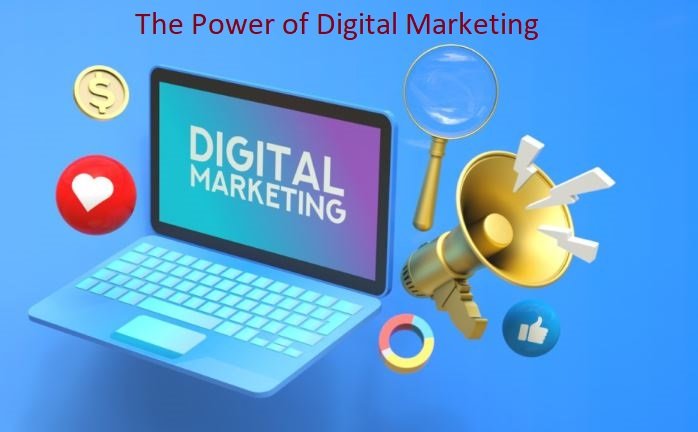
This shift has introduced a new era of marketing known as digital marketing. From small startups to multinational corporations, businesses now rely heavily on online strategies to increase visibility, generate leads, improve customer engagement, and boost sales. The power of digital marketing lies in its ability to reach the right audience at the right time while delivering measurable results.
Unlike traditional advertising, digital marketing offers flexibility, affordability, and precise targeting. Companies can now interact directly with customers through social media, websites, emails, and mobile applications. This direct communication creates stronger relationships and helps businesses understand consumer needs more effectively. As technology continues to evolve, digital marketing has become an essential tool for businesses that want to remain competitive and achieve long-term success.
What is Digital Marketing?
Digital marketing refers to the use of internet-based channels and digital technologies to promote products, services, or brands. It involves various online methods that help businesses communicate with customers, attract traffic, and increase sales.
In simple terms, digital marketing allows businesses to market their products online where people spend most of their time. Whether through search engines, social media platforms, email campaigns, or websites, companies can build awareness and engage with audiences more effectively than ever before.
Traditional marketing mainly focuses on one-way communication, while digital marketing encourages interaction and engagement. Customers can comment on social media posts, leave reviews, participate in surveys, and communicate directly with brands. This creates a more personalized and customer-focused experience.
Main Components of Digital Marketing
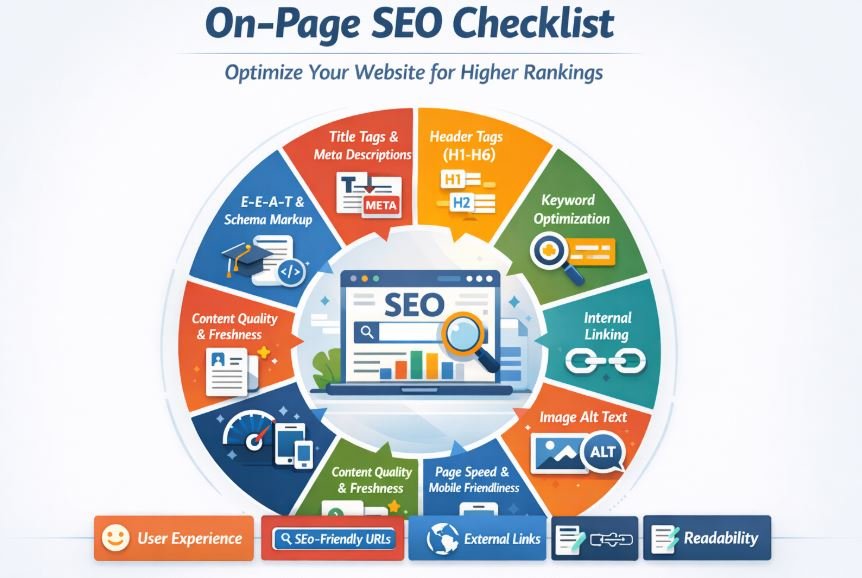
Search Engine Optimization (SEO)
SEO is the process of improving a website’s visibility on search engines like Google. A well-optimized website ranks higher in search results, bringing more organic traffic and potential customers.
Social Media Marketing
Social media platforms such as Facebook, Instagram, LinkedIn, and X allow businesses to connect with audiences, share content, and build communities around their brands.
Content Marketing
Content marketing focuses on creating valuable and informative content such as blogs, videos, guides, and infographics to attract and engage users.
Email Marketing
Email marketing remains one of the most effective digital marketing strategies. Businesses can send newsletters, promotional offers, and personalized updates directly to customers’ inboxes.
Pay-Per-Click Advertising (PPC)
PPC advertising enables businesses to display ads on search engines or social media platforms and pay only when users click on the advertisements.
Affiliate Marketing
Affiliate marketing involves partnering with individuals or companies that promote products in exchange for commissions on successful sales.
Influencer Marketing
Influencer marketing allows brands to collaborate with social media influencers who have strong audience trust and engagement.
The Power of Digital Marketing in Today’s Business World
Digital marketing has revolutionized the way businesses operate and communicate with consumers. The internet has become an essential part of daily life, making online marketing more powerful than ever before.
Why Digital Marketing is Important
Modern consumers rely heavily on online research before making purchasing decisions. They search for products, compare prices, read reviews, and explore social media recommendations. Businesses that fail to establish a strong online presence risk losing valuable opportunities.
Digital marketing helps companies remain visible where customers are most active. It allows businesses to target specific audiences based on demographics, interests, behavior, and location. This precision improves marketing efficiency and increases the chances of conversion.
Another important advantage is real-time communication. Brands can instantly interact with customers, answer questions, and resolve issues through live chat, social media, or email support.
Benefits of Digital Marketing Cost-Effective Marketing
Compared to traditional advertising, digital marketing is much more affordable. Small businesses can launch successful campaigns with limited budgets using social media and SEO strategies.
Better Audience Targeting
Businesses can reach specific customer groups based on age, location, interests, online behavior, and purchasing habits.
Higher Conversion Rates
Digital marketing strategies often produce higher conversion rates because they target audiences who are already interested in related products or services.
Measurable Results
One of the greatest strengths of digital marketing is analytics. Businesses can track website traffic, customer behavior, engagement, and campaign performance in real time.
Improved Brand Awareness
Consistent online visibility helps businesses establish credibility and build long-term brand recognition.
The Power of Digital Marketing for Small Businesses
The power of digital marketing for small businesses cannot be overstated. In the past, smaller companies struggled to compete with large corporations due to limited advertising budgets. Today, digital platforms have created equal opportunities for businesses of all sizes.
Why Small Businesses Need Digital Marketing
Small businesses often rely on local customers and word-of-mouth recommendations. Digital marketing expands their reach beyond physical locations and allows them to attract online audiences.
With proper SEO and social media strategies, even a small business can appear in search engine results alongside major brands. This increases visibility and creates growth opportunities.
Key Advantages for Small Businesses
Affordable Advertising
Platforms like Facebook and Google Ads allow businesses to run low-cost campaigns while targeting highly relevant audiences.
Stronger Customer Relationships
Social media platforms encourage direct communication and customer engagement, helping businesses build trust and loyalty.
Local SEO Benefits
Local SEO helps businesses appear in nearby searches such as “restaurants near me” or “best coffee shop in town.” This drives local traffic and improves customer acquisition.
Increased Website Traffic
Content marketing and SEO strategies help attract organic visitors who are actively searching for products or services.
Real-Life Business Growth Through Digital Marketing
Many successful small businesses started with limited resources but achieved rapid growth through digital marketing. Social media campaigns, viral content, influencer collaborations, and SEO optimization have allowed startups to become recognized brands within a short period.
Impact of Digital Marketing on Small Business Success
The impact of digital marketing on small business growth is substantial. Businesses that effectively use online marketing strategies often experience increased visibility, customer engagement, and revenue.
Increased Online Visibility
Having a professional website and optimized content helps businesses rank higher on search engines. This visibility allows customers to discover products and services more easily.
Better Customer Communication
Digital marketing provides multiple communication channels such as social media messaging, live chat, email support, and online reviews.
This direct interaction improves customer satisfaction and strengthens brand trust.
Higher Sales and Revenue
Targeted marketing campaigns attract potential customers who are more likely to make purchases. Businesses can also retarget previous website visitors through digital ads to increase conversions.
Building Brand Loyalty
Consistent engagement, valuable content, and personalized communication help businesses create long-term relationships with customers.
Impact of Digital Marketing Across Different Industries
Digital marketing has transformed nearly every industry by improving communication, visibility, and customer engagement.
E-commerce Industry
Online stores depend heavily on SEO, social media advertising, and email campaigns to attract shoppers and increase sales.
Healthcare Industry
Hospitals and healthcare providers use digital marketing to educate patients, promote health awareness, and improve online appointment systems.
Education Sector
Educational institutions use digital marketing to attract students, promote online courses, and provide virtual learning experiences.
Real Estate Industry
Real estate agencies generate leads through websites, social media advertisements, virtual tours, and email campaigns.
Hospitality and Tourism
Hotels and travel companies use digital marketing to showcase destinations, attract tourists, and encourage online bookings.
Most Powerful Digital Marketing Strategies in 2026
Digital marketing continues to evolve rapidly. Businesses that adapt to modern trends gain significant competitive advantages.
Search Engine Optimization (SEO)
SEO remains one of the most effective strategies for long-term online visibility. Optimized websites attract consistent organic traffic without relying entirely on paid advertisements.
Content Marketing
High-quality blogs, videos, podcasts, and infographics help businesses educate audiences while improving SEO performance.
Social Media Marketing
Social media platforms provide opportunities for businesses to engage directly with customers and build strong online communities.
Video Marketing
Short-form videos, live streaming, and tutorials continue to dominate online engagement across platforms like YouTube, Instagram Reels, and TikTok.
Email Marketing Automation
Automated email sequences help businesses nurture leads and maintain customer relationships more efficiently.
Artificial Intelligence and Automation
AI-powered tools help businesses personalize customer experiences, analyze data, and automate repetitive tasks.
Challenges in Digital Marketing
Although digital marketing offers many advantages, businesses also face several challenges.
High Competition
The online marketplace is highly competitive. Businesses must continuously improve their strategies to stand out.
Frequent Algorithm Updates
Search engines and social media platforms regularly update their algorithms, affecting website rankings and content visibility.
Data Privacy Concerns
Consumers are becoming more aware of data privacy issues. Businesses must handle customer information responsibly and follow ethical marketing practices.
Content Saturation
Millions of pieces of content are published daily, making it harder for businesses to capture audience attention.
Future of Digital Marketing
The future of digital marketing looks highly promising as technology continues to evolve.
Artificial Intelligence Integration
AI will continue to improve personalization, predictive analytics, and customer service automation.
Voice Search Optimization
As voice assistants become more popular, businesses must optimize content for voice-based searches.
Interactive Content
Interactive quizzes, polls, augmented reality experiences, and immersive content will become more common.
Personalized Customer Experiences
Customers increasingly expect personalized recommendations and customized online experiences.
Video and Visual Content Growth
Visual storytelling will remain a dominant force in online marketing strategies.
Tips to Maximize the Power of Digital Marketing
Create High-Quality Content
Focus on producing valuable, informative, and engaging content that solves audience problems.
Invest in SEO
Optimize website structure, keywords, and content to improve search engine rankings.
Understand Your Audience
Research customer behavior, interests, and preferences to create targeted marketing campaigns.
Use Multiple Marketing Channels
Combine SEO, social media, email marketing, and paid advertising for better results.
Track Analytics Regularly
Analyze campaign performance to identify strengths, weaknesses, and improvement opportunities.
Common Digital Marketing Mistakes to Avoid
Ignoring SEO
Without SEO, businesses may struggle to gain organic traffic and visibility.
Inconsistent Branding
Brands should maintain consistent messaging, visuals, and tone across all platforms.
Poor Social Media Engagement
Ignoring customer comments and messages can damage brand reputation.
Failing to Analyze Data
Businesses that do not track analytics may miss opportunities for improvement.
Overlooking Mobile Users
Most internet users browse on mobile devices, making mobile optimization essential.
Frequently Asked Questions
What is the real power of digital marketing?
The real power of digital marketing lies in its ability to connect businesses with targeted audiences, increase visibility, improve engagement, and generate measurable results.
How does digital marketing help small businesses?
Digital marketing helps small businesses compete with larger brands by providing affordable marketing opportunities and broader audience reach.
What is the impact of digital marketing on small business growth?
Digital marketing improves online visibility, increases customer engagement, boosts sales, and strengthens brand loyalty.
Is digital marketing better than traditional marketing?
Digital marketing is often more flexible, affordable, measurable, and targeted compared to traditional marketing methods.
Which digital marketing strategy is most effective?
SEO, content marketing, and social media marketing are among the most effective long-term strategies.
How long does digital marketing take to show results?
Results depend on the strategy used. Paid advertising can deliver quick outcomes, while SEO and content marketing may take several months.
Conclusion
The power of digital marketing has transformed the modern business landscape. It has created new opportunities for companies of all sizes to reach customers, improve engagement, and grow more efficiently than ever before.
The impact of digital marketing is especially valuable for small businesses seeking affordable and effective ways to compete in competitive markets. Through SEO, social media marketing, content creation, email campaigns, and AI-driven tools, businesses can build stronger customer relationships and achieve sustainable growth.
As technology continues to evolve, digital marketing will become even more influential in shaping consumer behavior and business success. Companies that embrace innovation, adapt to trends, and focus on delivering value to customers will remain competitive in the digital era.
Businesses that invest in effective digital marketing strategies today are positioning themselves for long-term success in the future.